

29.00€
Out of stock
Portugal - envio desde 2,35€
Rest of the world - calculated at checkout
View shipping details
100% secure checkout
14-day hassle policy
We're here to help
There was some for John Cage, then came Christian Wolff, and finally Morton Feldman, from this school in New York. Only Julius Eastman remained outside the game, the last figure, the most solitary and enigmatic – undoubtedly also one of the most powerful, and it is this power that is revealed through these recordings.
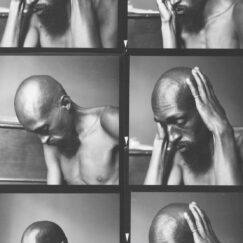
In the 1970s and 1980s, Eastman was one of the very few African-Americans to gain recognition in the New York avant-garde music scene. He was politically committed, a figure of queer culture and a solar and solitary poet whose melancholy influenced his genius as well as his tragic destiny : suffering from various addictions, declared missing, actually homeless. During Winter of 1981-82, he got deported from his apartment by the police, who destroyed most of what he owned – including scores and recordings. He was found dead in 1990, on the streets of Buffalo, after years of vagrancy.
Sub Rosa
Sub Rosa
There was some for John Cage, then came Christian Wolff, and finally Morton Feldman, from this school in New York. Only Julius Eastman remained outside the game, the last figure, the most solitary and enigmatic – undoubtedly also one of the most powerful, and it is this power that is revealed through these recordings.
In the 1970s and 1980s, Eastman was one of the very few African-Americans to gain recognition in the New York avant-garde music scene. He was politically committed, a figure of queer culture and a solar and solitary poet whose melancholy influenced his genius as well as his tragic destiny : suffering from various addictions, declared missing, actually homeless. During Winter of 1981-82, he got deported from his apartment by the police, who destroyed most of what he owned – including scores and recordings. He was found dead in 1990, on the streets of Buffalo, after years of vagrancy.